Articles
Product updates and ideas on team collaboration and enterprise AI.
All Articles11
Articles: 11 · Months: 2
November 2026
CoLand Quick Start: Your First Workflow with OpenClaw and GitHub
Connect OpenClaw and GitHub in CoLand Desktop, review two pull requests, and see each comment return to the chat that started the work.
Published on CoLand AI
 Video6:50
CoLand Launches: Connect Your Agents, Free Up Your Attention
CoLand connects people, AI agents, and collaboration tools to help you spend less time switching between conversations, relaying feedback, and repeating requirements.
Published onCoLand AI Video3:18
Product Notes: Decisions Are the Most Important Asset
We’re exploring how a decision agent could learn from collaboration, take on routine decisions, and preserve the way people and teams work as models change.
Published onThe CoLand Team
Product Notes: Giving People Their Attention Back
CoLand’s current focus: reduce the work of forwarding feedback and switching tools, and keep track of the platforms, devices, and agents behind each task.
Published onThe CoLand Team
Product Notes: How We See the Future
Our expectations for AI work in November 2027, and how they shape CoLand’s long-term direction.
Published onThe CoLand Team
How our work with agents evolved in three stages
We started by assigning roles, then built shared task records, and eventually organized agents around the work they needed to deliver. Here’s how our approach evolved.
Published onThe CoLand Team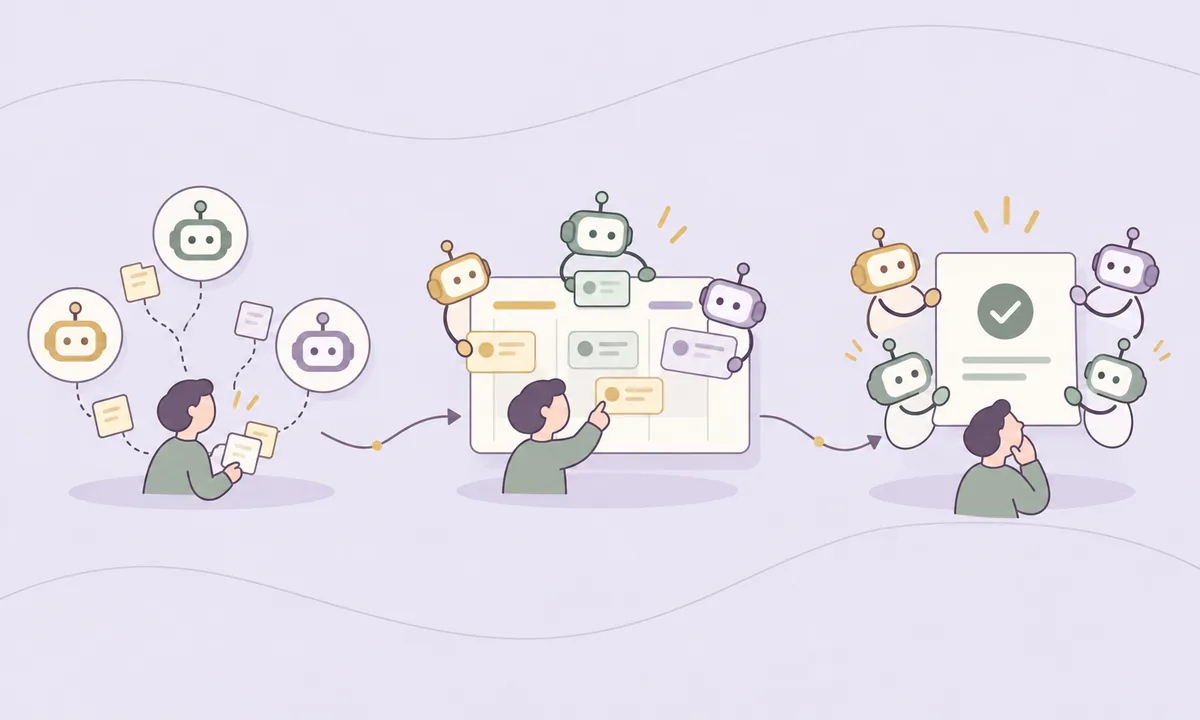
Why users should control their knowledge and context
Why CoLand focuses on local agents, clear data boundaries, and user control over knowledge—and how those choices shape our approach to open source.
Published onThe CoLand Team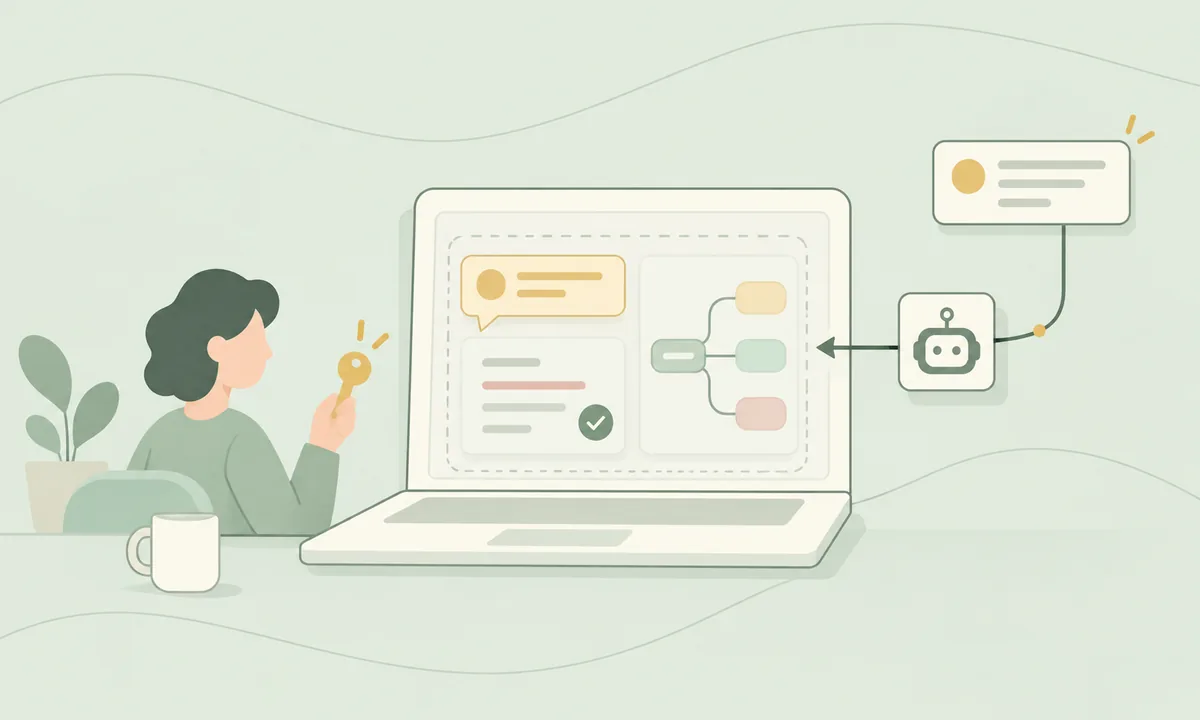
October 2026
Use CoLand to Speed Up Code Reviews
Keep code reviews in the PR. CoLand sends reviewers’ comments back to the agent’s original conversation, so the person responsible for the work can focus on the changes.
Published onThe CoLand Team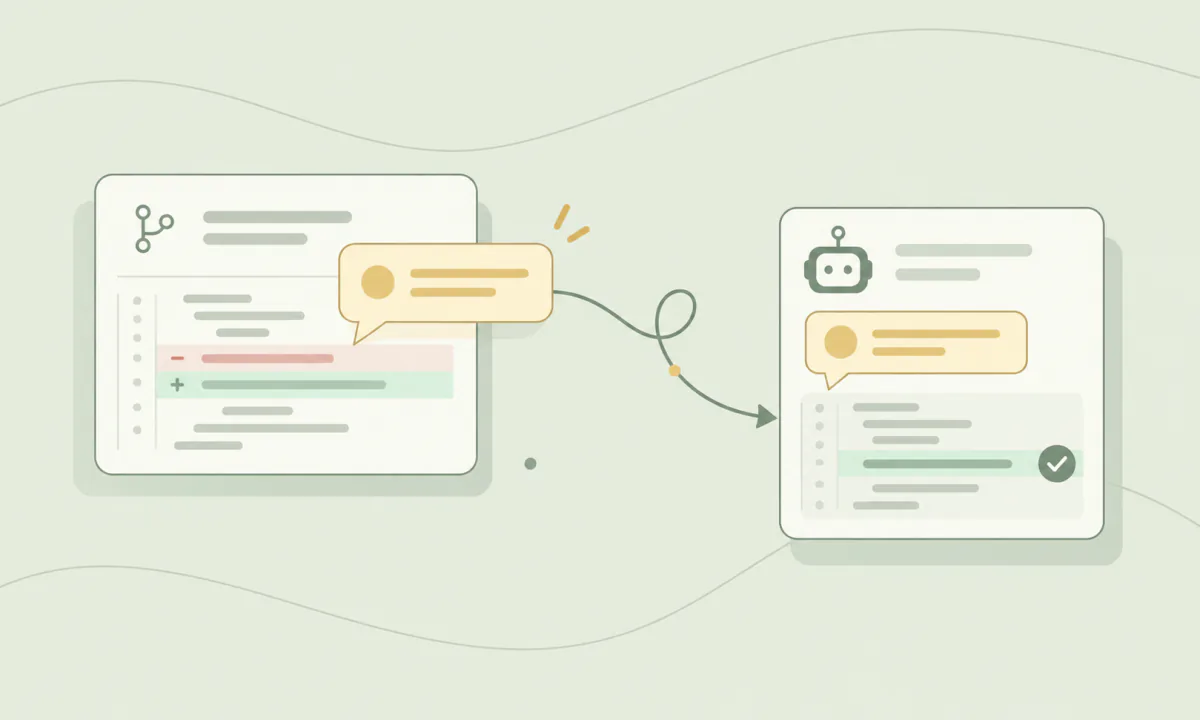
Review feedback is a lasting asset for your team
Review comments, revisions, and approvals show how a team makes decisions. These records could help AI systems learn the team’s standards and apply them to future work.
Published onThe CoLand Team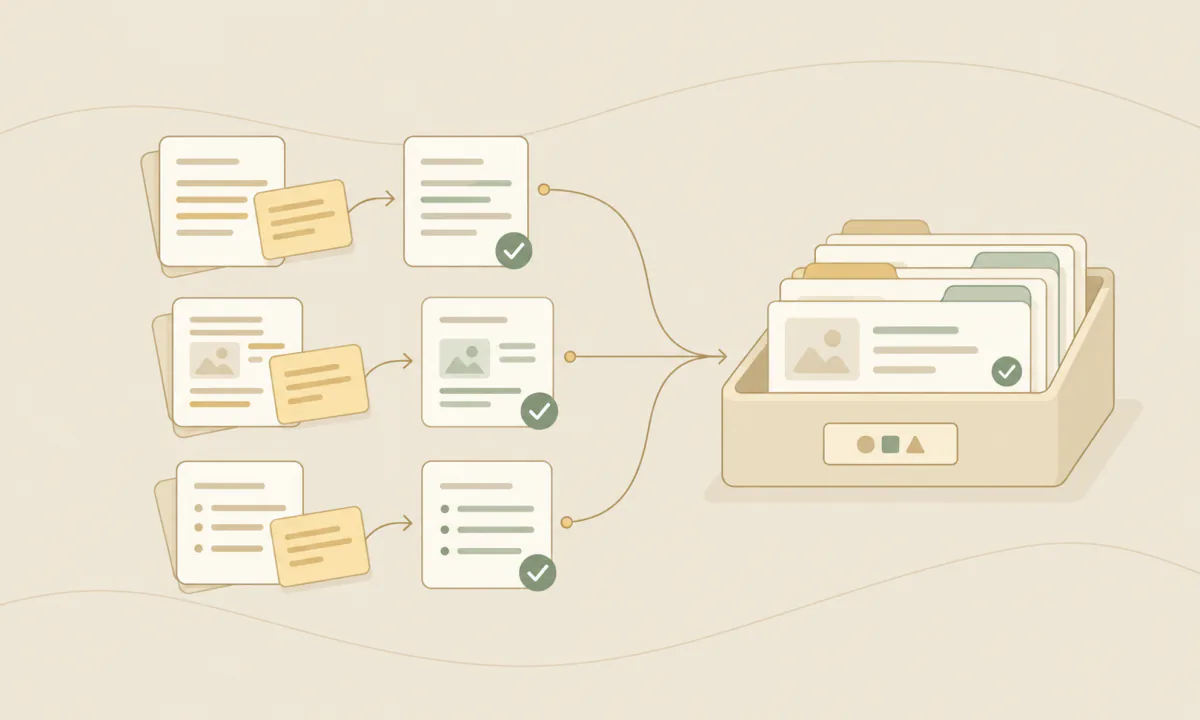
Bring cross-team feedback back into your campaign plan
Operations, finance, product, and management each bring a different perspective to a campaign plan. Sending their document comments back to the agent can reduce the work of organizing and relaying feedback.
Published onThe CoLand Team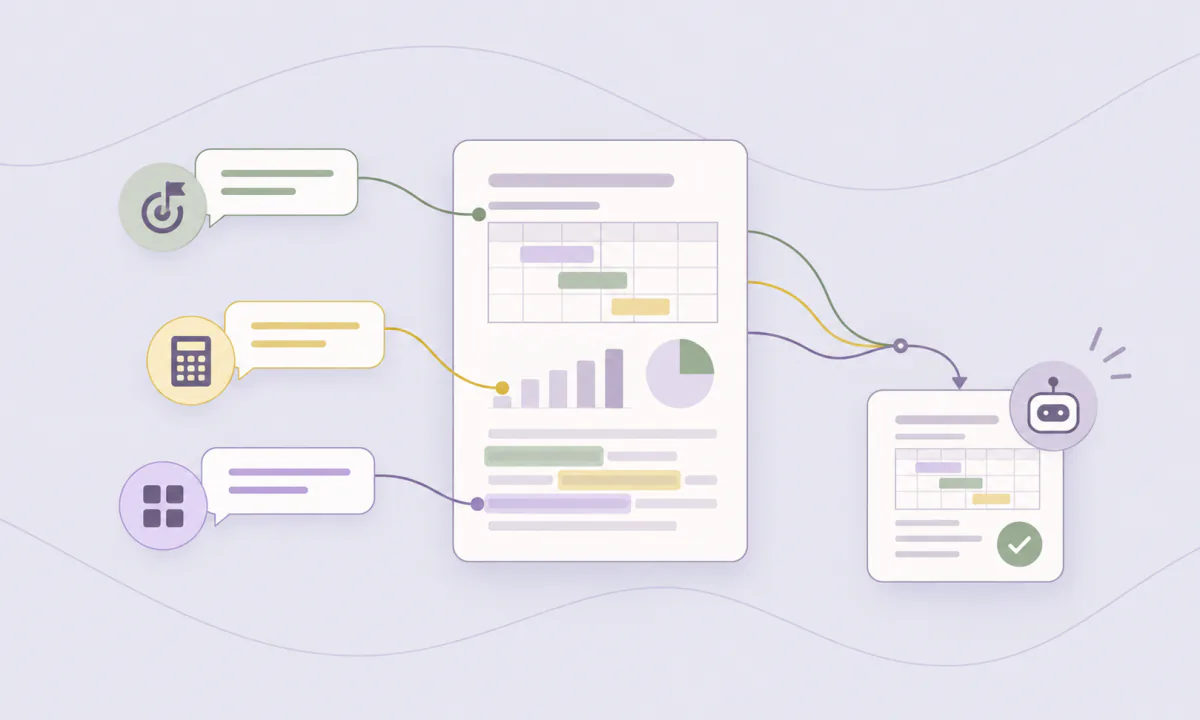
Why am I busier now that I’m using multiple agents?
As we explore collaboration between agents, we’re asking where human review should fit, and how feedback can reach the work it affects.
Published onThe CoLand Team